Already decided on Pulsetto? Skip the reading:
Free shipping · 30-day returns from delivery (buyer pays the return label) · Prices checked Nov 5, 2026 on the official offer page. A wellness product, not a medical device. Not for people with pacemakers or other implanted electronics.
What Are The Common Side Effects?
| Effect | Why it happens | What to do |
|---|---|---|
| Tingling under electrodes | The current passing through the skin | Normal; adjust to a comfortable level |
| Skin redness or irritation | Too little gel, sensitive skin, long sessions | Use enough gel; clean skin and electrodes; rest the area |
| Muscle twitching or pulling in the neck | Intensity high enough to reach neck muscles | Lower the intensity |
| Light-headedness | Strong relaxation response or slower heart rate | Stop, sit or lie down; ask a doctor if it repeats |
| Headache | Reported occasionally | Shorter sessions, lower intensity; stop if it continues |
Who Should Not Use One?
Do not use an electrical vagus nerve device if you have a pacemaker, an implanted defibrillator, a cochlear implant, a neurostimulator, or any other active implanted electronic device, unless your specialist has explicitly approved it. Pulsetto states it is not recommended for people with active implantable medical devices, and other manufacturers carry similar warnings.
Also avoid placing electrodes on broken, irritated or recently treated skin, and never use a device while driving or operating machinery.
Who Should Ask A Doctor First?
- Anyone with a heart rhythm condition, heart disease, very low blood pressure, or a history of fainting
- Anyone with epilepsy or a seizure disorder
- Anyone who is pregnant
- Anyone who has had surgery on the neck, or has known carotid artery disease
- Anyone being treated for depression, anxiety or a sleep disorder, so the device fits into existing care
What Are The 7 Rules For Safe Use?
- Read the manufacturer's full instructions and warnings before the first session.
- Start at the lowest intensity and raise it slowly.
- Use enough conductive gel, every time.
- Only use a device designed for the neck on the neck. Generic TENS units are not.
- Keep sessions to the length the app or manual sets.
- Stop if you feel faint, dizzy, notice palpitations, or feel pain.
- Do not use it while driving.
What Should Your First Session Look Like?
Treat the first week as a calibration week:
- Sit down, somewhere comfortable, not in a car and not standing.
- Clean, dry skin on the neck, with no lotion, and a fresh layer of conductive gel on the electrodes.
- Start at the lowest intensity and raise it one step at a time until you feel a clear but comfortable tingle. Stop there. More intensity is not more benefit.
- Use the shortest program the app offers for the first few days.
- Notice how you feel afterwards, not just during. Mild relaxation is the goal; dizziness, a racing heart or a headache are signals to stop and check with a doctor.
How Do You Prevent Skin Irritation?
Skin redness under the electrodes is one of the mild side effects listed above, and these habits help reduce it:
- Use enough gel every time. Dry spots concentrate the current on a small area.
- Clean the electrodes after each session, as the manual describes, so old gel and skin oil do not build up.
- Skip a day if the skin is still pink from the last session.
- Never place electrodes on cuts, rashes, sunburn or freshly shaved skin.
- Stop and see a doctor if you notice blistering, a burn-like mark or a rash that spreads.
Is It A Wellness Product Or A Medical Device?
Implanted vagus nerve stimulators are prescription medical devices, placed by a surgeon. The consumer devices on this site, including Pulsetto and Truvaga, are general wellness products. They are not medical devices and are not intended to diagnose, treat, cure or prevent any disease. That distinction is not a legal footnote; it tells you what to expect from them. See our at-home guide for the research behind each type.
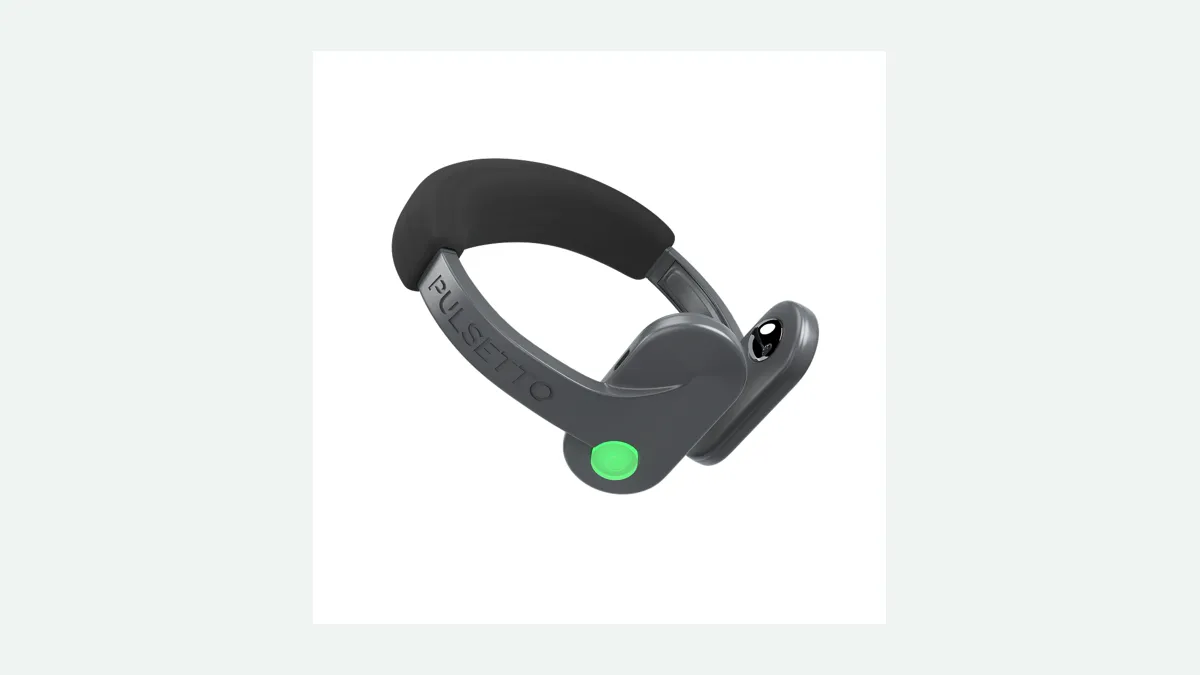
Considering Pulsetto?
Our review repeats the manufacturer's warnings, explains how the device is worn, and lists the return terms so you can try it safely.
Ready to try it? Pulsetto ships free and has a 30-day return window.
Free shipping · 30-day returns from delivery (buyer pays the return label) · Prices checked Nov 5, 2026 on the official offer page. A wellness product, not a medical device. Not for people with pacemakers or other implanted electronics.
Frequently Asked Questions
Can a vagus nerve stimulator affect your heart?
The vagus nerve does slow the heart, which is why people with heart rhythm problems should not use these devices without a doctor's approval. Consumer devices use low intensities and are designed for healthy adults. If you feel faint, dizzy or notice palpitations during a session, stop and seek medical advice.
Is the tingling normal?
Yes. A tingling or light pulsing sensation under the electrodes is how you know the device is on. It should be noticeable but comfortable. Pain, burning or strong muscle contractions mean the intensity is too high.
Can I use it if I am pregnant?
Consumer devices have not been studied in pregnancy. Ask your obstetrician before using any electrical stimulation device during pregnancy.
Can teenagers use these devices?
Check each manufacturer's age guidance. In general, these devices are designed and marketed for adults, and anyone under 18 should only use one with a parent and doctor's agreement.
Want to see today’s price and bundle deals?
Free shipping · 30-day returns from delivery (buyer pays the return label) · Prices checked Nov 5, 2026 on the official offer page. A wellness product, not a medical device. Not for people with pacemakers or other implanted electronics.

Daniel Whitaker
I research direct-to-consumer wellness products: I read the official spec sheets, the written return policies, the safety warnings and the published research, and I check every package price on the official order page before I quote it. I am not a doctor or a medical professional, and nothing here is medical advice.
This article contains affiliate links. If you buy through them we may earn a commission at no extra cost to you. It does not change the prices, the return terms, the safety warnings or the criticisms above.