Already decided on Pulsetto? Skip the reading:
Free shipping · 30-day returns from delivery (buyer pays the return label) · Prices checked Nov 5, 2026 on the official offer page. A wellness product, not a medical device. Not for people with pacemakers or other implanted electronics.
1. How Do You Do Resonance Breathing?
How: sit or lie comfortably. Inhale through the nose for 4 seconds, exhale slowly through the mouth or nose for 6 seconds. That is six breaths per minute. Continue for 5 to 10 minutes.
Why it works: at around six breaths a minute, breathing and heart rhythm fall into sync, and the long exhale is the phase when vagal influence on the heart is strongest. A systematic review of slow-breathing studies found consistent increases in heart rate variability and reports of greater relaxation (Zaccaro et al., 2018).
2. What Is The Physiological Sigh?
How: two inhales through the nose (one full, then a short top-up), then one long, slow exhale through the mouth. Repeat two or three times.
Use it for: the moment before a meeting, a phone call or bed. It is the fastest breathing tool and needs no counting.
3. How Does The Cold-Water Reset Work?
How: fill a bowl with cold water (around 10°C / 50°F) and submerge your face, or hold a cold, wet cloth over forehead, eyes and cheeks, for 15 to 30 seconds. Breathe normally between rounds.
Why it works: cold on the face triggers the diving reflex, which slows the heart through the vagus nerve. Face immersion increased HRV measures of vagal activity in one study (PMID 9367278) and sped up recovery after exercise in another (PMID 19882167).
Skip this one if you have a heart rhythm condition or a history of fainting, unless your doctor agrees.
4. Does Humming Stimulate The Vagus Nerve?
How: with lips closed, hum a comfortable low note for the full length of each exhale. Five minutes. Chanting “om” or singing along to music does the same job.
Why: the vagus nerve supplies the muscles of the larynx, and humming forces a long, slow exhale. The direct evidence is thinner than for breathing, so treat it as a pleasant variation on exercise one.
5. Does Gargling Help?
How: gargle water vigorously for 30 seconds, two or three times, when you brush your teeth. It engages the throat muscles the vagus nerve supplies. Evidence is mostly anecdotal, but it costs nothing and fits into an existing habit.
6. Can Gentle Neck Stretches Help?
How: slowly tilt your ear toward your shoulder, hold for five slow breaths, and switch sides. Then look gently up and to each side. Keep it light: the goal is relaxing tight neck and shoulder muscles, not pressing on anything.
7. Why Do Walking And Social Time Count?
Regular moderate exercise is associated with higher resting HRV, and a 10-minute walk after eating is the easiest way to fit it in. Relaxed social connection, laughing included, is part of the parasympathetic picture too. Neither is a “hack,” but both show up consistently in the research on vagal tone.
What Does A 10-Minute Daily Routine Look Like?
| When | Exercise | Time |
|---|---|---|
| Morning | Cold-water reset at the sink | 1 min |
| Midday | Walk after lunch | 10 min (optional) |
| Stressful moment | Physiological sigh × 3 | 30 sec |
| Evening | Resonance breathing or humming | 5–10 min |
Do it for three weeks and compare your morning HRV before and after. That is your own data, which beats anyone's marketing claim.
How Do You Know If It Is Working?
You do not have to guess. Many smartwatches and fitness rings now report heart rate variability (HRV), the measure researchers use to estimate vagal tone (Laborde et al., 2017). Here is a simple way to use it:
- Take a baseline. For one week before you start, note your morning HRV reading. Use the same device, at the same time, before coffee.
- Change one thing. Start the routine above and keep everything else (bedtime, caffeine, training) as steady as you can.
- Compare averages, not single days. HRV moves a lot day to day with sleep, alcohol, illness and hard workouts. Compare the weekly average after three to four weeks with your baseline week.
If you do not own a wearable, a plain notebook works too: rate your stress and sleep from 1 to 10 each morning. It is less precise, but it is still your own data, collected the same way every day.
When Does A Device Make Sense?
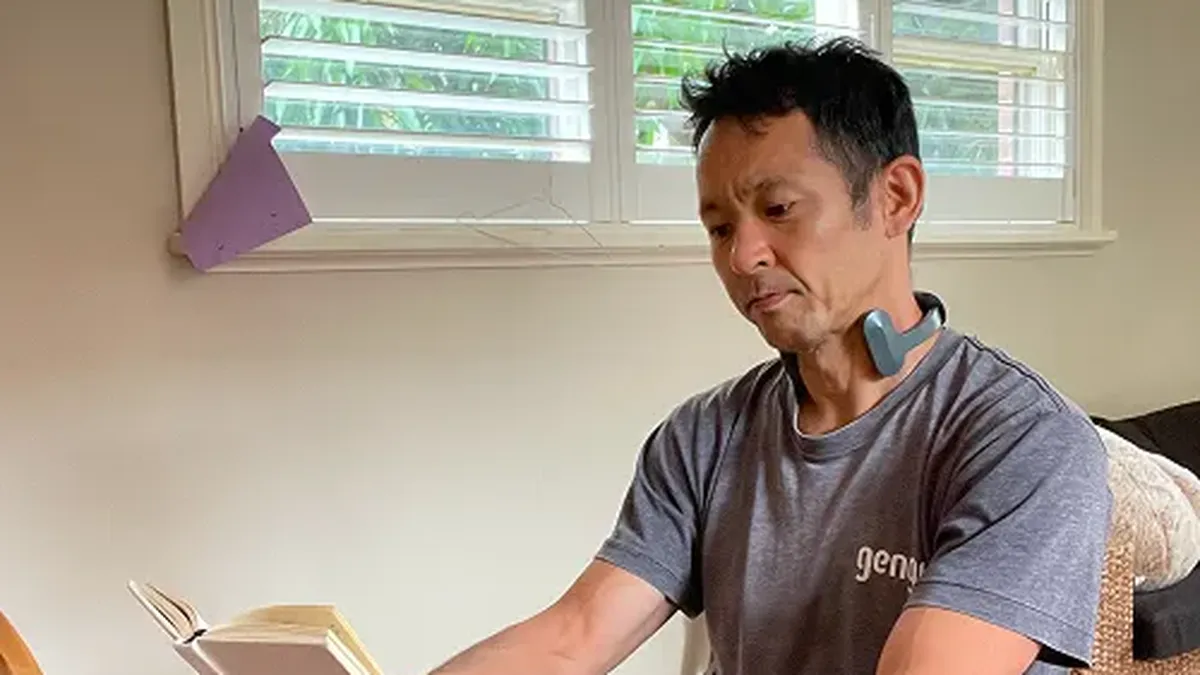
Honestly: when the free routine helps but you keep skipping it. The main thing a device like Pulsetto adds is structure. You put it on, the app runs a timed program, and the habit sticks. It also gives you something to do that is not breathing exercises, which some people simply do not enjoy.
If that sounds like you, compare the options in the best vagus nerve stimulators or read our Pulsetto Lite review. If the free routine works and you do it, keep your money.
Ready to try it? Pulsetto ships free and has a 30-day return window.
Free shipping · 30-day returns from delivery (buyer pays the return label) · Prices checked Nov 5, 2026 on the official offer page. A wellness product, not a medical device. Not for people with pacemakers or other implanted electronics.
Frequently Asked Questions
How long does it take to improve vagal tone?
There is no reliable universal timeline. Slow breathing changes heart rate variability within the session itself, but the resting baseline shifts gradually, over weeks of daily practice. The best way to know for you is to measure morning HRV with a wearable before you start and compare after three to four weeks.
What is the fastest way to stimulate the vagus nerve?
Cold water on the face. The diving reflex slows the heart through the vagus nerve within seconds. A physiological sigh (two inhales through the nose, one long exhale through the mouth) is the fastest option when you cannot get to a sink.
Can vagus nerve exercises help with anxiety?
Slow breathing has been studied for relaxation and reduced anxiety in healthy people, and you may find these techniques calming. They are not a treatment for an anxiety disorder. If anxiety is affecting your daily life, talk to a doctor or therapist; these exercises can be part of that plan, not a replacement for it.
Is it dangerous to stimulate the vagus nerve?
Breathing and humming exercises are very low risk. Cold-water face immersion slows the heart, so people with heart rhythm problems or a history of fainting should check with a doctor first. Never press on or massage the front of the neck firmly over the carotid artery to "stimulate" the nerve; that is a medical maneuver, not a wellness exercise.
Want to see today’s price and bundle deals?
Free shipping · 30-day returns from delivery (buyer pays the return label) · Prices checked Nov 5, 2026 on the official offer page. A wellness product, not a medical device. Not for people with pacemakers or other implanted electronics.

Daniel Whitaker
I research direct-to-consumer wellness products: I read the official spec sheets, the written return policies, the safety warnings and the published research, and I check every package price on the official order page before I quote it. I am not a doctor or a medical professional, and nothing here is medical advice.
This article contains affiliate links. If you buy through them we may earn a commission at no extra cost to you. It does not change the prices, the return terms, the safety warnings or the criticisms above.